
Posted by Express Steel on Dec 17th 2025
Selecting the Right Snow Pusher for Skid Steers
Winter weather presents significant challenges for commercial property managers and construction crews. Every hour spent clearing a lot translates to labor costs and potential project delays. Conversely, efficient snow removal keeps businesses open, ensures safety, and maintains profitability. The difference often lies in the equipment you use. While the skid steer serves as a versatile workhorse for many fleets, its effectiveness in winter depends entirely on the attachment you connect to the front.
Choosing the correct attachment transforms a standard machine into a high-volume snow removal asset. A standard bucket often fails to move enough volume, requiring multiple passes. A dedicated pusher, or containment plow, captures the snow and moves it in a single efficient run. However, not all pushers offer the same performance. Factors such as width, cutting edge material, and moldboard design play distinct roles in how well the unit functions on your specific sites.
Assess the Specific Property Constraints
Your jobsite layout dictates the physical dimensions of the attachment you need. Large, open retail parking lots allow for wider equipment that maximizes pass width. In these environments, a 10-foot or 12-foot pusher captures massive amounts of snow, reducing the total time on site. However, smaller commercial lots with islands, light poles, and narrow drive lanes require a different approach. A wide pusher becomes a liability in tight spaces, potentially clipping curbs or parked vehicles.
Operators working in residential complexes or condo associations often prefer narrow models. These units allow for precision work around garages and walkways. You must measure the narrowest point of your typical route. Select a model that clears these pinch points without requiring the operator to slow down excessively. Efficiency drops if the driver must constantly maneuver to avoid obstacles.
Match the Width to Machine Operating Capacity
A common error involves purchasing the widest plow available without checking your skid steer specifications. Every machine has a rated operating capacity and a specific tipping load. Wet, heavy snow weighs significantly more than fluffy powder. A pusher full of slush exerts tremendous force on the loader arms and tires. If the attachment exceeds the machine's capabilities, the operator loses traction, the wheels spin, and the machine fails to push the pile.
You also need the pusher to cover the width of the machine’s tires or tracks. The attachment should extend slightly beyond the wheelbase. This ensures the tires run on cleared pavement rather than packing down fresh snow. Selecting the right snow pusher for skid steers requires balancing this tire coverage with the machine's horsepower and weight capabilities.
Determine the Appropriate Cutting Edge Material
The cutting edge makes contact with the ground and determines how the unit scrapes the surface. Rubber edges function best on sensitive surfaces or uneven pavement. They act like a squeegee, contouring to the ground and removing slush without damaging seal coats or decorative pavers. Commercial contracts for high-end retail spaces often mandate rubber edges to prevent surface damage. They also operate quietly, which benefits crews working in residential areas at night.
Steel edges offer aggressive scraping power. If your contracts involve hard-packed ice or neglected lots that rarely see salt, steel cuts through the buildup effectively. However, steel does not conform to the ground. It can snag on manhole covers or cracks in the concrete. You must analyze the surface conditions of your contracts before making a decision.
Evaluate the Need for a Trip Edge System
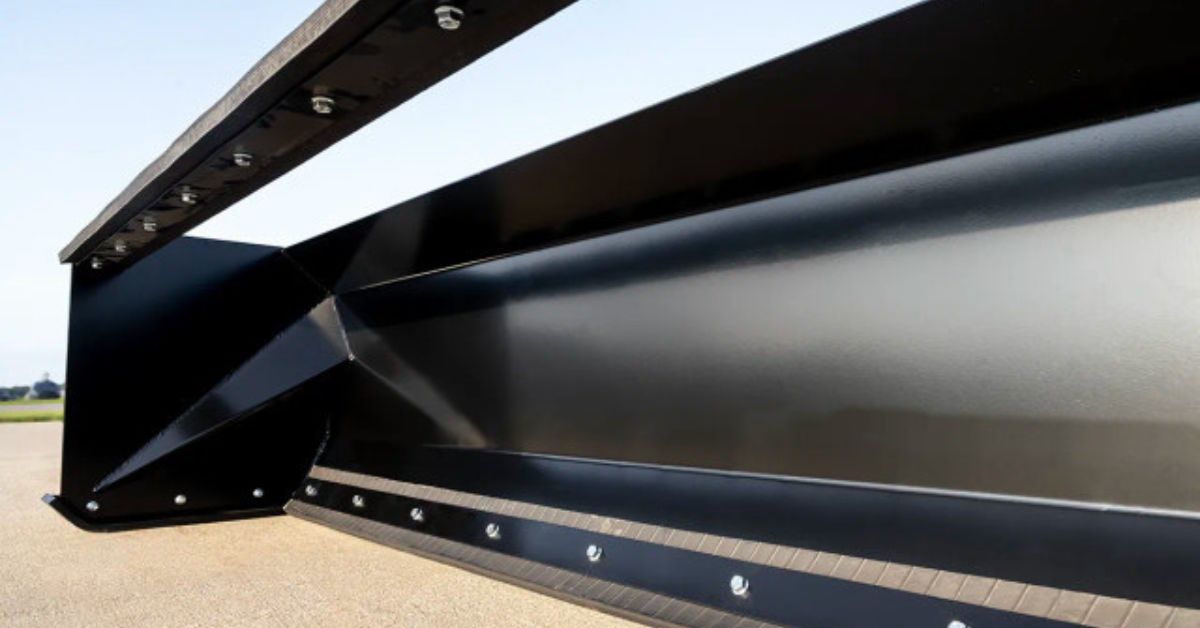
Safety mechanisms protect both the operator and the equipment. A fixed edge transfers 100 percent of the impact energy to the operator if the plow strikes a hidden curb or raised manhole cover. This can cause injury and damage the skid steer’s coupler or loader arms. A trip edge system allows the bottom section of the blade to fold back upon impact. Heavy-duty springs then snap the edge back into position once the obstacle clears.
Investing in a trip edge proves essential for crews working on unfamiliar lots or older pavement with heaving sections. The feature allows operators to maintain higher speeds with confidence, knowing the equipment will absorb sudden impacts. While trip edge models typically carry a higher initial price tag, they reduce long-term repair costs and liability.
Check the Moldboard Height and Design
The shape of the moldboard influences how snow rolls inside the box. A properly curved moldboard keeps the snow moving in a circular motion. This "live load" moves easier than a static pile, reducing the horsepower required to push it. If the design forces the machine to push a dead weight, fuel consumption rises and traction falls.
Height also matters for total capacity. A taller moldboard contains more snow, allowing for longer pushes before the operator must dump the pile. However, extreme height can obstruct the operator's visibility. You need a design that balances capacity with a clear line of sight to the front corners of the pusher.
Analyze Side Plate Support and Durability
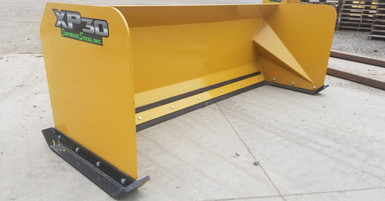
The side plates contain the snow and bear the brunt of the friction against curbs. Cheaply constructed pushers often fail at the side plates first. Look for models featuring heavy-gauge steel and structural reinforcement bars. The leading edge of the side plate should feature a wear shoe. This replaceable component slides along the ground, preventing the steel plate from grinding away.
Manufacturers who use structural channel iron or heavy rectangular tubing for the frame provide better longevity. These supports prevent the box from twisting under heavy loads. Selecting the right snow pusher for skid steers involves inspecting these structural elements to make sure they can withstand the rigors of daily commercial use.
Consider a Pull-back Bar Option
Standard containment plows only work when moving forward. This creates a challenge when clearing snow away from loading docks, garage doors, or building perimeters. A pull-back bar, or back-drag edge, mounts to the top of the moldboard. The operator tilts the bucket forward, engages the top edge, and drags snow away from the structure.
Once the snow moves into the open lot, the operator drops the unit back to the standard pushing position. This feature eliminates the need for a second crew member with a shovel to clear tight areas. It effectively turns the skid steer into a more versatile tool, handling both edge work and bulk removal.
Inspect the Coupling System Compatibility
Most modern skid steers utilize a universal quick-attach system. However, you must verify that the pusher plate reinforces this connection point. The constant jarring and pushing force stress the coupler. A weak attachment plate will bend or crack, rendering the plow useless.
Look for a fully welded, reinforced receiver plate. If the plow requires hydraulic inputs—for example, on an angle blade or a specialized wing plow—then you must make sure your machine has the necessary auxiliary hydraulic flow and compatible couplers.
Review Maintenance Requirements and Parts Availability
Every piece of equipment requires maintenance. Wear parts such as cutting edges, skid shoes, and hardware eventually need replacement. Before purchasing, investigate how easily you can access these spares. A pusher that sits idle waiting for a specific bolt costs you money.
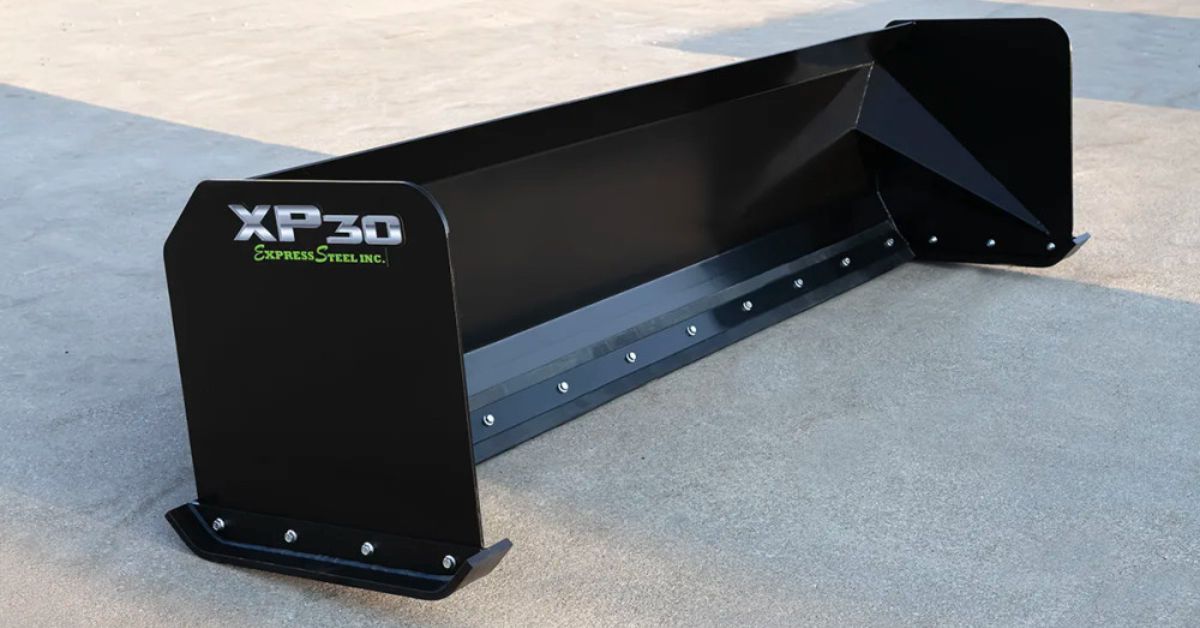
Choose a design that uses standard hardware sizes and bolt-on components. Bolt-on edges allow for quick changes in the field with simple hand tools. Welded edges require cutting torches and downtime in the shop. Easy maintenance ensures the plow stays on the road during critical storm events.
Prioritize High-quality Steel and Construction
The grade of steel determines the lifespan of the attachment. High-tensile steel resists bending and cracking better than mild steel. Check the weld quality. Continuous welds provide more strength than stitch welds. Paint and finish also play a role in longevity. Powder coat finishes resist corrosion from salt and moisture better than standard wet paint.
A snow pusher operates in a corrosive, high-impact environment. Investing in a unit built with premium materials ensures it lasts for multiple seasons.
Maximize Your Fleet With the Right Tools
Winter operations demand reliability. Your clients expect clear pavement regardless of the conditions. The right attachment reduces operator fatigue, lowers fuel costs, and delivers a cleaner finished product.
Equip your fleet with attachments designed for the harshest conditions. At Express Steel, we manufacture durable snow removal solutions right here in the USA. Whether you need a heavy-duty skid steer attachment or a compact tractor snow pusher, our team provides the quality you need to tackle any storm.