

Posted by Express Steel on Jan 23rd 2026
Skid Steer Tracks That Boost Traction for Winter Jobs
Winter conditions pose a unique set of challenges for heavy machinery operators, particularly when maneuvering skid steers on icy or snowy terrain. The difference between a productive day and a frustrating standstill often comes down to the equipment under the machine rather than the power of the engine itself. Slippery surfaces reduce the effectiveness of standard tires or worn tracks, leading to wasted fuel, increased wear on the machine, and potential safety hazards for the operator.
Selecting the right tracks transforms a skid steer from a fair-weather tool into a reliable winter workhorse. Operators who prioritize proper traction ensure projects stay on schedule regardless of the weather. Finding skid steer tracks that boost traction for winter jobs is essential for anyone looking to maintain efficiency when the temperature drops and the ground freezes.
The Challenge of Winter Operations
Snow and ice fundamentally change how a skid steer interacts with the ground. Standard rubber tracks designed for dirt or turf often lack the biting edges necessary to grip frozen surfaces. When a machine loses traction, the operator loses control and power. This loss of efficiency manifests as spinning tracks that dig ruts instead of propelling the loader forward. The engine works harder to accomplish less, burning more fuel and putting unnecessary strain on the drivetrain.
Safety becomes a paramount concern in these conditions. A machine that cannot grip the ground is difficult to steer and even harder to stop. Slopes that are manageable in the summer become dangerous slides in the winter. Proper tracks provide the stability needed to carry heavy loads without the risk of sliding sideways or losing control on an incline. This stability protects the operator, the surrounding property, and other workers on the site.
Rubber vs. Steel Tracks in Cold Climates
The material of the track plays a significant role in winter performance. Rubber tracks are the standard for many skid steers because they offer a smooth ride and protect paved surfaces. However, standard block-pattern rubber tracks can struggle on ice. They rely on friction, which is minimal on frozen ground. Specialized winter rubber tracks feature different tread patterns designed to channel snow away and expose biting edges to the surface, offering better grip than general-purpose options.
Steel tracks offer a different approach to traction. The weight and rigidity of steel allow the tracks to cut through hard-packed snow and ice to find purchase on the ground below. Steel tracks are exceptionally durable and resistant to the abrasive nature of frozen earth and hidden debris. The aggressive profile of steel cleats acts like crampons on a boot, digging in where rubber might slide across the surface. While they may be harsher on paved surfaces, their performance in severe winter conditions is often superior for off-road applications.
The Importance of Tread Patterns
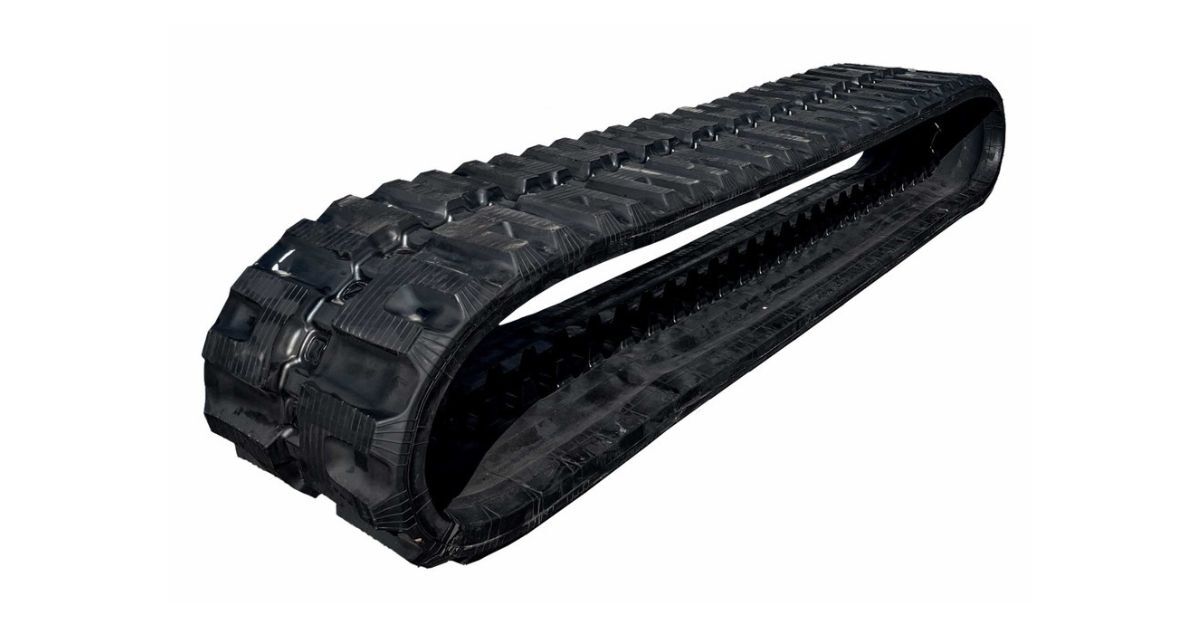
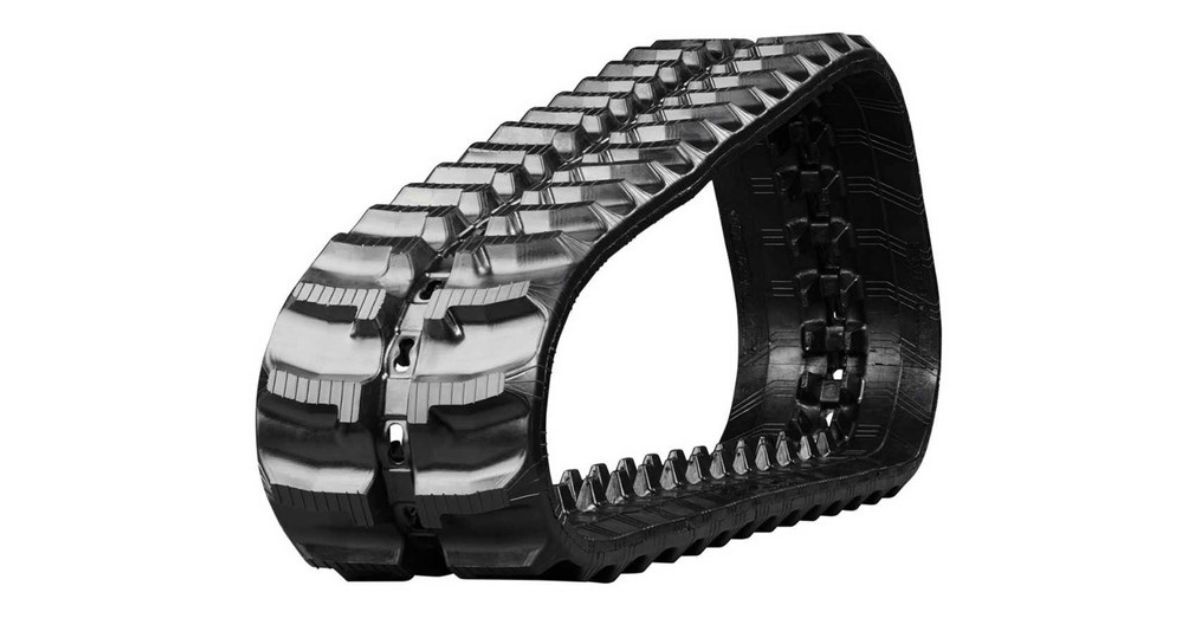
The design of the tread pattern is just as critical as the material. A smooth or worn tread offers little resistance against slipping. Deep, aggressive tread lugs are necessary to penetrate snow cover. Bar-style treads are popular for their ability to push large amounts of snow, acting like paddles to move the machine forward.
Zig-zag or H-pattern treads offer multi-directional grip. This is crucial for skid steers, which rely on skidding to turn. A track that only grips in a forward direction might cause the machine to slide uncontrollably during a turn. Multi-directional treads ensure that the operator maintains control whether moving forward, reversing, or rotating the machine. The spacing between the lugs also affects performance. Wider spacing allows snow to clear from the tracks rather than packing in, which would turn the track into a slick, smooth surface.
Width and Flotation
Track width influences how the machine sits on snow. Narrow tracks concentrate the machine's weight on a smaller area. This high ground pressure helps the tracks dig down through loose snow to find solid ground. This is advantageous on sites with a hard bottom layer beneath the snow.
Wide tracks offer flotation. They distribute the machine's weight over a larger surface area, allowing the skid steer to stay on top of deep snow rather than sinking in. Flotation tracks are ideal for deep powder or situations where damaging the underlying surface is a concern. The choice between narrow and wide tracks depends heavily on the specific snow conditions and the nature of the job site.
Evaluating Durability in Freezing Temperatures
Cold weather affects the physical properties of track materials. Rubber becomes stiffer and more brittle as the temperature drops. High-quality winter tracks use rubber compounds specifically formulated to remain flexible in freezing conditions. This flexibility prevents cracking and chunking, extending the life of the track.
Steel components are also subject to thermal stress. The constant cycle of heating up during use and freezing when parked can weaken inferior metals. High-grade steel tracks resist this fatigue and maintain their structural integrity season after season. Inspecting the quality of the materials and the manufacturing process is a vital step in selecting tracks that will survive the rigors of winter work.
Over-The-Tire Track Systems
For skid steers equipped with tires, over-the-tire (OTT) track systems offer a versatile solution. These metal or rubber tracks wrap around the existing tires, converting a wheeled machine into a tracked one. This system provides the benefits of tracks, including increased flotation and traction, without the permanent commitment of a dedicated track loader.
OTT tracks are particularly effective in winter because they often feature aggressive steel cleats or bars. The open design allows snow and ice to pass through, preventing build-up that leads to slippage. This option gives operators the flexibility to use tires in the summer and switch to tracks for the winter, maximizing the utility of a single machine.
Equip Your Machine for the Season
Choosing the right tracks is about matching the equipment to the environment. Every job site presents a different mix of ice, snow, and frozen ground. Express Steel offers a comprehensive range of track options designed to meet these varied demands.
Our selection ensures that you can find the specific tread pattern and material composition required for your specific winter applications. By equipping your loader with skid steer tracks that boost traction for winter jobs, you ensure operational efficiency and safety throughout the season. Browse our tracks for skid loaders to find the right solution for your needs.