
Posted by Express Steel on Dec 18th 2025
Skid Steer Track Selection Tips for Muddy or Rocky Terrain
Choosing the right tracks for your skid steer can make or break productivity on challenging jobsites. Muddy conditions and rocky terrain demand specific track characteristics to maintain traction, minimize downtime, and protect your equipment investment. Operators who select inappropriate tracks often face slippage, premature wear, and costly repairs that halt progress when deadlines loom.
Understanding which track specifications match your terrain conditions ensures your skid steer performs optimally regardless of ground challenges. The wrong choice leads to stuck equipment, damaged undercarriage components, and frustrated crews waiting for machines to be freed or repaired. In this post you’ll learn about skid steer track selection tips for muddy or rocky terrain that will help you maximize performance and minimize maintenance costs.
Understand Track Width Requirements
Track width directly impacts flotation and ground pressure distribution. Wider tracks spread the machine's weight over a larger surface area, reducing ground pressure and preventing your skid steer from sinking into soft, muddy terrain. Standard tracks typically measure 12 to 18 inches wide, while specialized wide tracks can reach 24 inches or more for extreme conditions.
Narrow tracks concentrate weight and increase ground pressure, which causes the machine to penetrate soft soil rather than float across it. For muddy jobsites, prioritize wider tracks that provide superior flotation. Rocky terrain benefits from moderate width that balances stability with maneuverability between obstacles.
Evaluate Tread Pattern Design
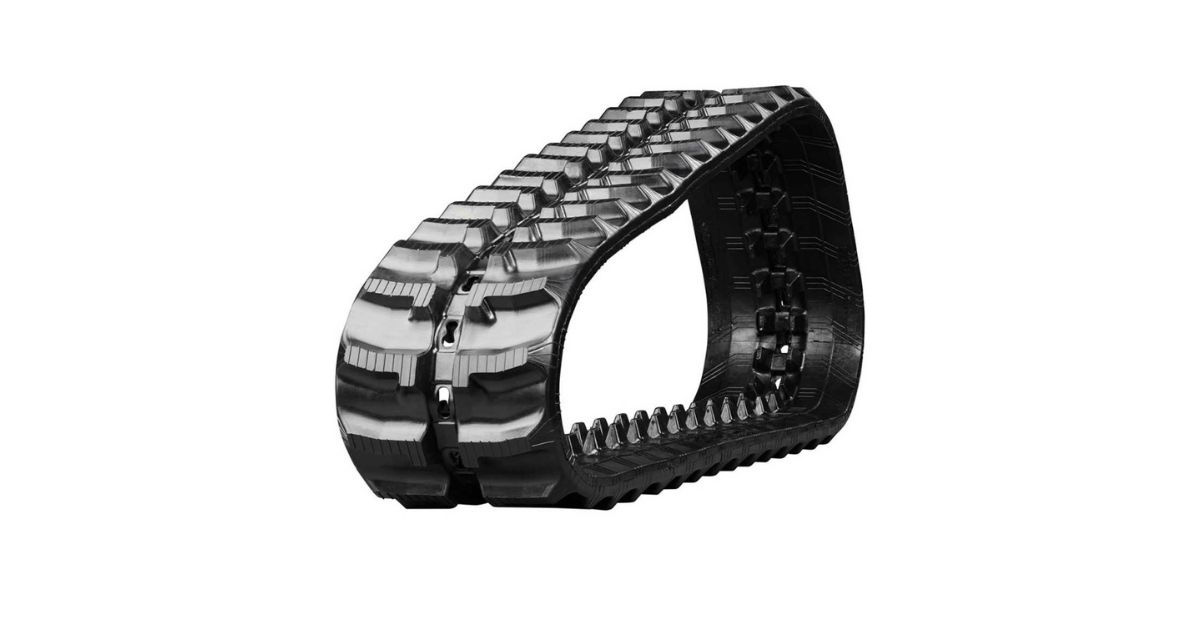
Tread patterns determine how effectively tracks grip different surfaces. Aggressive, deep-lug patterns excel in muddy conditions by channeling mud away from the track surface and maintaining contact with firmer soil beneath. These patterns feature widely spaced lugs that prevent mud from packing between treads, which would otherwise eliminate traction.
Rocky terrain requires different tread characteristics. Multi-bar or block patterns with moderate lug depth provide consistent contact across uneven surfaces without snagging on rocks. Smooth or shallow tread patterns fail in both conditions—they offer insufficient grip in mud and lack the durability to withstand rock contact.
Assess Track Construction Materials
Track construction materials determine durability and performance under harsh conditions. Rubber tracks dominate the market due to their versatility, but not all rubber compounds perform equally. Premium rubber tracks incorporate reinforced steel cables or Kevlar cords embedded within the rubber, providing exceptional tensile strength to resist tearing on rocky surfaces.
Some manufacturers produce tracks with specialized rubber compounds engineered for specific conditions. Softer compounds conform to irregular rocky surfaces for better grip, while harder compounds resist abrasion and extend track life. For muddy terrain, focus on tracks with continuous steel reinforcement that prevents stretching and maintains proper tension even when caked with heavy soil.
Consider Track Durability Ratings
Manufacturers rate tracks based on their expected lifespan under various conditions. Standard-duty tracks suit light commercial applications on relatively smooth terrain. Heavy-duty tracks feature thicker rubber, more robust reinforcement, and deeper treads designed to withstand the punishment of rocky jobsites and abrasive materials.
Extreme-duty tracks represent the premium category, engineered specifically for the harshest conditions. These tracks cost significantly more upfront but deliver superior longevity when operating continuously in rocky or muddy environments. Calculate the total cost of ownership rather than focusing solely on purchase price—cheaper tracks that require frequent replacement ultimately cost more than durable options that last multiple seasons.
Match Track Type to Primary Terrain
Your primary terrain type should guide track selection more than occasional conditions. If 70 percent of your work occurs in muddy environments with only occasional rocky sections, prioritize tracks optimized for mud with adequate durability for rocks. Conversely, machines working primarily on rocky ground need abrasion-resistant tracks that can also handle periodic muddy conditions.
Some operators maintain multiple track sets and swap them based on project requirements. This approach maximizes track lifespan and ensures optimal performance across varied conditions. While it requires higher initial investment and storage space, the strategy pays dividends for contractors who regularly transition between terrain types.
Factor in Operating Speed and Load
Operating speed and load capacity significantly affect track performance and wear. High-speed operation on rocky terrain accelerates wear as impacts become more forceful. Heavy loads increase ground pressure, which compounds problems in muddy conditions where flotation becomes critical.
Reduce operating speeds on challenging terrain to extend track life and maintain control. If your applications consistently require heavy loads in difficult conditions, select tracks with higher load ratings and reinforced construction. Underrated tracks will fail prematurely, stranding equipment and crews when you can least afford downtime.
Review Tensioning and Maintenance Needs
Proper track tension ensures optimal performance and longevity. Loose tracks slip on drive sprockets, causing premature wear and reducing traction. Overtightened tracks stress undercarriage components and increase rolling resistance, wasting fuel and straining the powertrain.
Muddy conditions complicate maintenance as soil accumulates in undercarriage components and affects tension. Select tracks that maintain consistent tension despite debris buildup. Rocky terrain subjects tracks to impacts that can knock them off-center or damage guide lugs. Choose tracks with robust guide systems that resist damage and keep the track aligned properly.
Examine Attachment Point Strength
Track attachment points endure tremendous stress, particularly in rocky terrain where impacts jar the entire undercarriage. Weak attachment points fail, often damaging the track beyond repair and potentially causing accidents. Premium tracks feature reinforced attachment areas with multiple connection points that distribute stress evenly.
Inspect attachment point design carefully. Look for tracks with thick rubber surrounding metal attachment hardware and redundant fastening systems. These features prevent failure even if one attachment point becomes damaged during operation.
Calculate Total Cost of Ownership
Purchase price represents only one component of track ownership costs. Factor in expected lifespan, maintenance requirements, downtime costs, and replacement frequency when comparing options. A premium track costing twice as much as a budget option but lasting three times longer delivers better value.
Downtime costs often exceed the track price differential. When equipment sits idle waiting for track repairs or replacement, you lose revenue, miss deadlines, and frustrate clients. Investing in durable tracks appropriate for your conditions minimizes these hidden costs and keeps projects moving forward.
Consult Manufacturer Specifications
Manufacturers provide detailed specifications and application recommendations for their track products. Review specifications carefully to identify tracks engineered specifically for your terrain challenges.
Key specifications to examine include:
- Maximum load capacity for your machine size
- Recommended terrain types and applications
- Expected lifespan under various conditions
- Lug height and spacing for traction
- Reinforcement type and density
- Warranty coverage and exclusions
Operators who prioritize proper track selection experience fewer equipment failures, complete projects faster, and maintain safer jobsites.
Equip Your Skid Steer for Any Terrain
Follow these skid steer track selection tips for muddy or rocky terrain to transform how your equipment handles challenging conditions. Whether you face persistent mud, jagged rocks, or constantly changing terrain, matching track specifications to your environment protects your investment and keeps crews productive.
At Express Steel, we understand that equipment performance depends on choosing components engineered for your specific applications. Our team can help you evaluate your terrain requirements and recommend skid steer tracks that deliver the traction, durability, and longevity your operations demand. Contact us today to discuss which track options best suit your jobsite conditions and get your equipment performing at its peak.