
Posted by Express Steel on Jan 28th 2026
How Windshields Prevent Debris-Related Operator Injuries
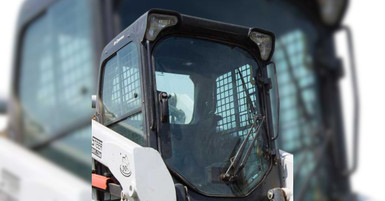
Operating heavy machinery like a skid steer brings inherent risks, particularly when working in environments filled with flying rocks, wood chips, and gravel. The cab of a skid steer is your command center, but it also serves as your primary shield against the chaotic elements of a job site. While many safety features exist on these powerful machines, few are as critical for daily protection as a high-quality windshield. Understanding how windshields prevent debris-related operator injuries is the first step toward creating a safer work environment and ensuring that every shift ends as successfully as it began.
The Reality of Job Site Hazards
Every job site presents a unique set of challenges and dangers. Whether you work in demolition, forestry, landscaping, or general construction, the ground beneath your tracks creates potential projectiles. The very nature of skid steer operation involves powerful hydraulic attachments engaging with resistant materials. A rotary cutter clearing brush can easily strike a hidden stone or a stump, sending fragments flying at high velocities. In demolition settings, concrete shards, rebar pieces, and shattered glass become airborne hazards the moment a breaker or bucket makes contact.
These objects travel at speeds that the human eye often cannot track until it is too late. Without a barrier, an operator faces the risk of severe impact injuries. Facial lacerations, eye trauma, and blunt force injuries are common consequences of debris entering an open cab. Even small particles like silica dust or sawdust pose significant threats. Inhaling these particulates over time leads to respiratory issues, while immediate exposure causes eye irritation that blinds the operator momentarily. This momentary loss of vision can lead to catastrophic accidents involving the machine itself, endangering not just the operator but everyone in the vicinity.
The Protective Barrier Effect
A robust windshield is the first line of defense against these high-speed threats. It transforms the operator's cab from an open cage into a secure enclosure. The physical barrier stops larger objects from entering the operator's personal space, effectively neutralizing the kinetic energy of flying debris. When a heavy branch snaps back during land clearing, the windshield absorbs the impact that would otherwise strike the operator's chest or face.
Beyond the obvious deflection of large objects, the windshield creates a sealed environment that manages the microscopic dangers of the job. It keeps hazardous dust and chemical mists outside the cab, preserving the air quality for the operator. This containment is vital for long-term health, but it also serves an immediate safety function. An operator who is not squinting against dust or flinching from flying pebbles maintains better situational awareness. The mental fatigue of constantly reacting to environmental irritants significantly reduces, allowing the driver to focus entirely on controlling the machine. A calm, focused operator makes fewer mistakes, and a windshield provides the secure environment necessary for that focus.
Material Differences in Safety Glass
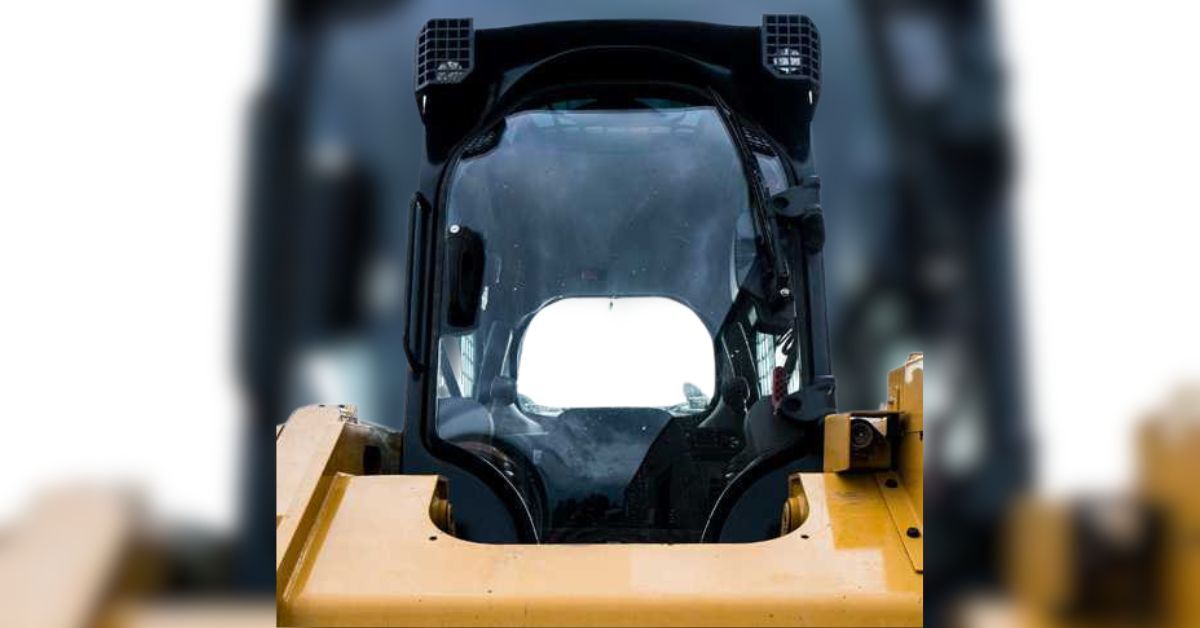
Not all windshields offer the same level of protection. The material composition determines how the shield reacts under stress and impact. Manufacturers typically use two main categories of materials for skid steer applications, and understanding the difference helps in selecting the right tool for the job.
Tempered Glass
Tempered glass is the standard option for many general-purpose machines. Manufacturers treat this glass with heat or chemicals to increase its strength compared to normal glass. When it breaks, it shatters into small, granular chunks instead of jagged shards, which reduces the risk of deep lacerations. However, tempered glass has limitations regarding impact resistance. A sharp, heavy rock hitting at high speed can shatter the entire pane, leaving the operator suddenly exposed.
Polycarbonate
Polycarbonate is the superior choice for high-impact environments. This thermoplastic material offers impact resistance significantly higher than glass. It is virtually unbreakable under standard operating conditions. Forestry and demolition applications frequently require polycarbonate because it can withstand the force of a falling tree limb or a piece of concrete kicked up by the tracks. Many operators prefer thick polycarbonate doors because they do not shatter. The material might flex or scratch, but it maintains the structural integrity of the barrier, keeping the operator safe even during violent impacts.
Selecting the Right Protection for the Application
Choosing the correct windshield requires an analysis of your daily tasks. If your work primarily involves moving soft dirt, snow removal, or loading pallets, standard safety glass often suffices. It offers superior optical clarity and resists scratching from windshield wipers better than plastic alternatives. The hardness of glass ensures that dust and grit do not cloud the view over time, which is essential for precision work.
However, if you utilize attachments like mulchers, brush cutters, or hydraulic breakers, standard glass poses a safety liability. These attachments generate high-velocity projectiles that exceed the breaking point of tempered glass. In these scenarios, a thick polycarbonate windshield is necessary. The industry often refers to these as forestry packages or demolition doors. While polycarbonate requires more careful cleaning to avoid scratches, the trade-off is necessary for the level of impact protection it provides. You must match the protective rating of the door to the potential energy of the debris you expect to encounter.
Maintenance for Continued Safety
A windshield only protects you if it remains structurally sound and offers clear visibility. Neglecting maintenance compromises the safety of the machine. Operators should inspect the glass or polycarbonate daily for deep pits, cracks, or spiderwebbing. A crack in a glass windshield weakens the entire structure, making it likely to fail completely upon the next impact. Even in polycarbonate, deep gouges can create stress points that reduce the material's effectiveness.
Cleaning practices also play a huge role in safety. Using dry wipers on a dusty windshield acts like sandpaper, destroying visibility over time. This is especially true for polycarbonate, which scratches easily compared to glass. Operators should rinse the windshield with water to remove grit before wiping it down. Using proper cleaning solvents prevents clouding or yellowing that can occur with incompatible chemicals. A windshield that you cannot see through becomes a hazard, forcing operators to lean out of the cab or open the door to see, thereby bypassing the safety system entirely.
Investing in Safety
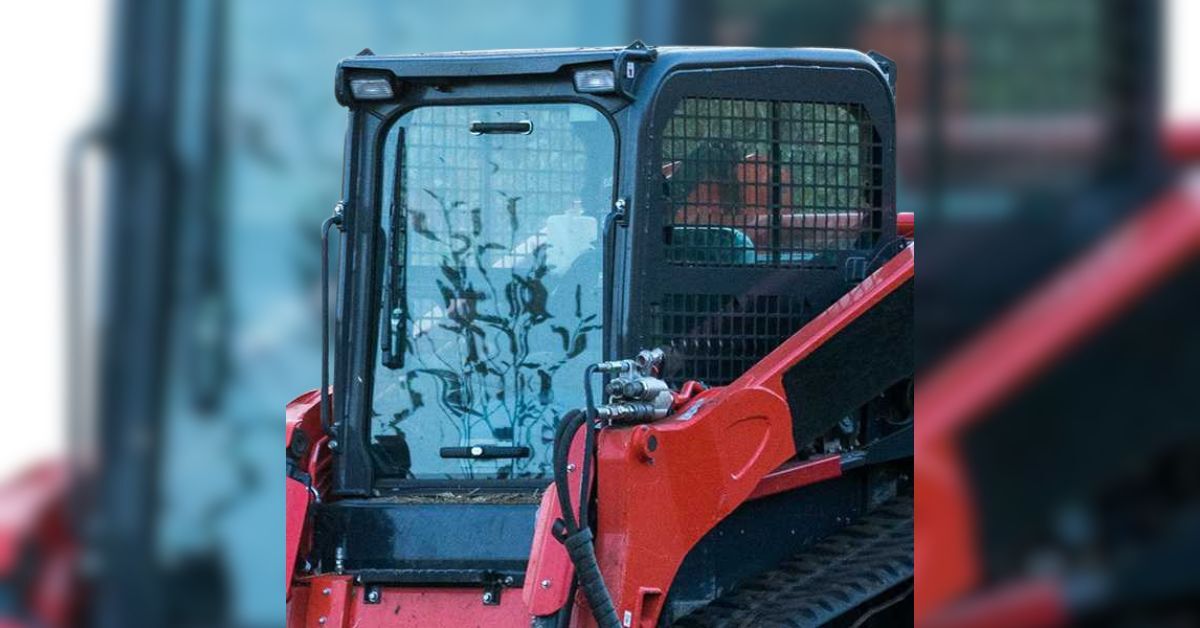
Safety is an investment that pays dividends every single day you operate heavy machinery. By knowing how windshields prevent debris-related operator injuries, you ensure that the unpredictable nature of construction or landscaping work does not threaten your well-being.
Express Steel offers a range of high-quality windshields for skid steers to protect you from these risks and allow you to work with confidence. Equip your machine with the best windshield available and focus on getting the job done right. Browse our selection to find the right option for your skid steer.