

Posted by Express Steel on Dec 16th 2025
How To Pick the Right Hopper for Commercial Projects
Choosing the right equipment is critical for the success of any commercial project. Every tool, from hand-held devices to heavy machinery, impacts efficiency, safety, and the bottom line. A self-dumping hopper, for instance, can transform material handling operations, but only if you select the correct one for the job. Making the wrong choice can lead to operational delays, increased costs, and potential safety hazards.
Understanding the specific requirements of your project is the first step in selecting the ideal hopper. You must consider the type of material you will be handling, the volume of that material, and the environment in which you will be working. This article provides a comprehensive overview of how to pick the right hopper for commercial projects, which prepares you to invest in equipment that enhances productivity and supports your operational goals.
Understand the Material You Will Handle
The type of material you need to transport is the most significant factor in your decision. A hopper designed for light debris won’t be able to withstand the stress of heavy industrial scrap. Consider the material's density, abrasiveness, and consistency. For instance, handling wet concrete requires a different hopper design than one used for dry sand or gravel. Steel hoppers are versatile, but you must match the gauge and construction to the specific materials on your job site.
Determine the Required Capacity
Hopper capacity, measured in cubic yards, dictates how much material you can move in a single trip. Selecting a hopper that is too small results in more trips, increased fuel consumption, and higher labor costs. Conversely, a hopper that is too large may be difficult to maneuver or exceed the weight limits of your lifting equipment. Calculate the volume of material you expect to handle daily to determine the optimal capacity for your needs.
Assess the Hopper's Durability and Construction
Commercial job sites are demanding environments, and your equipment must be built to last. Examine the hopper’s construction, paying close attention to the steel gauge and weld quality. Thicker steel and continuous welds provide greater strength and resistance to damage.
You should also look for a hopper with a premium powder-coated finish. The powder coating forms a durable, weather-resistant layer that shields the metal from moisture, chemicals, and abrasions commonly encountered on job sites. This provides superior protection against rust and corrosion, ensuring your attachment remains in optimal condition over time. A well-constructed hopper will endure the rigors of daily use, from impacts with heavy materials to exposure to the elements, providing a better return on your investment.
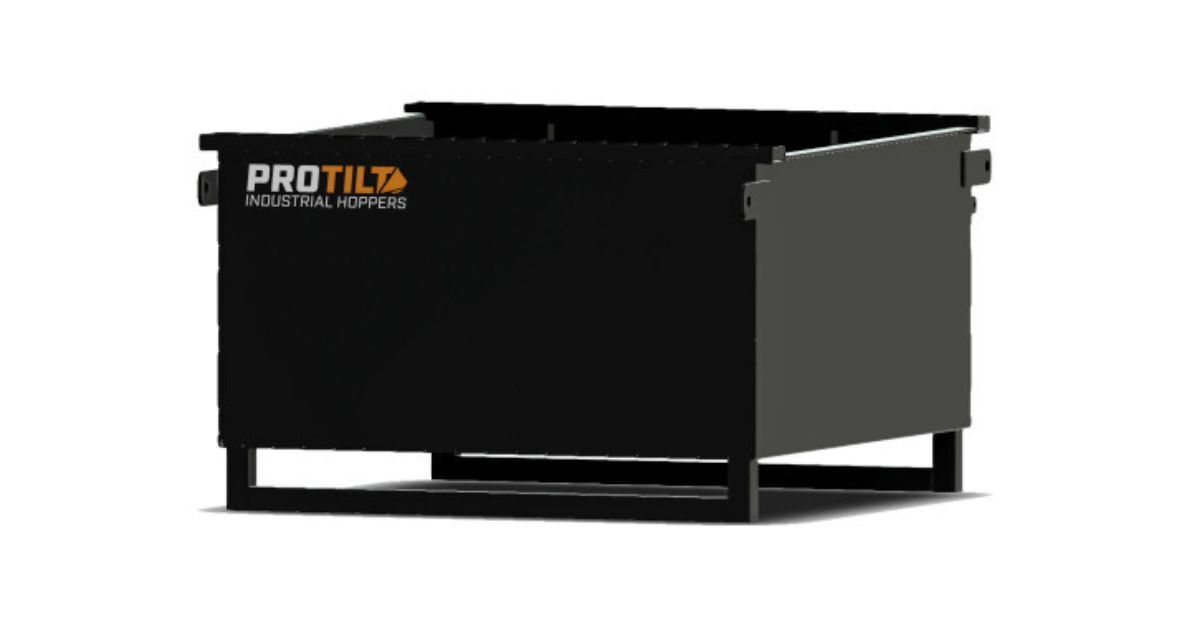
Evaluate the Dumping Mechanism
Self-dumping hoppers offer significant efficiency gains by allowing operators to empty contents without leaving the forklift cab. Evaluate the design of the dumping mechanism to verify that it’s reliable and safe. A secure locking system prevents accidental discharge, while a smooth, controlled release mechanism ensures materials are deposited precisely where needed. The mechanism should be easy to engage and disengage, minimizing downtime between loads.
Consider Your Equipment's Lift Capacity
Your forklift or other lifting machinery must be able to safely handle the combined weight of the hopper and its contents. Exceeding your equipment's lift capacity creates a serious safety risk, potentially leading to equipment failure or accidents. Always check the manufacturer's specifications for your forklift and compare them to the maximum gross weight of the hopper you are considering.
Think About Job Site Maneuverability
The physical layout of your job site will influence how to pick the right hopper for commercial projects. Consider the width of your aisles, the height of your doorways, and any overhead obstructions. A compact, low-profile hopper may be necessary for navigating tight spaces. For larger, open sites, a bigger hopper may be more efficient. Some hoppers come with casters for manual movement, which can be a valuable feature in certain environments.
Match the Hopper to Your Forklift
Ensure the hopper you select is compatible with your existing forklifts. The fork pockets must be the correct size and spacing to allow for a secure fit. An improper fit can cause the hopper to shift during transport, creating an unstable and dangerous load. Most manufacturers provide detailed specifications for fork pocket dimensions, so you can verify compatibility before making a purchase.
Prioritize Safety Features
Safety should always be a top priority on any commercial project. Look for hoppers with built-in safety features designed to protect your crew.
- Safety Chains: A safety chain secures the hopper to the forklift mast, preventing it from sliding off the forks during transport or dumping.
- Locking Mechanisms: A reliable locking latch ensures the hopper remains upright and secure until the operator is ready to dump the contents.
- High-Visibility Colors: Brightly colored hoppers are easier to see, reducing the risk of collisions with personnel or other equipment.
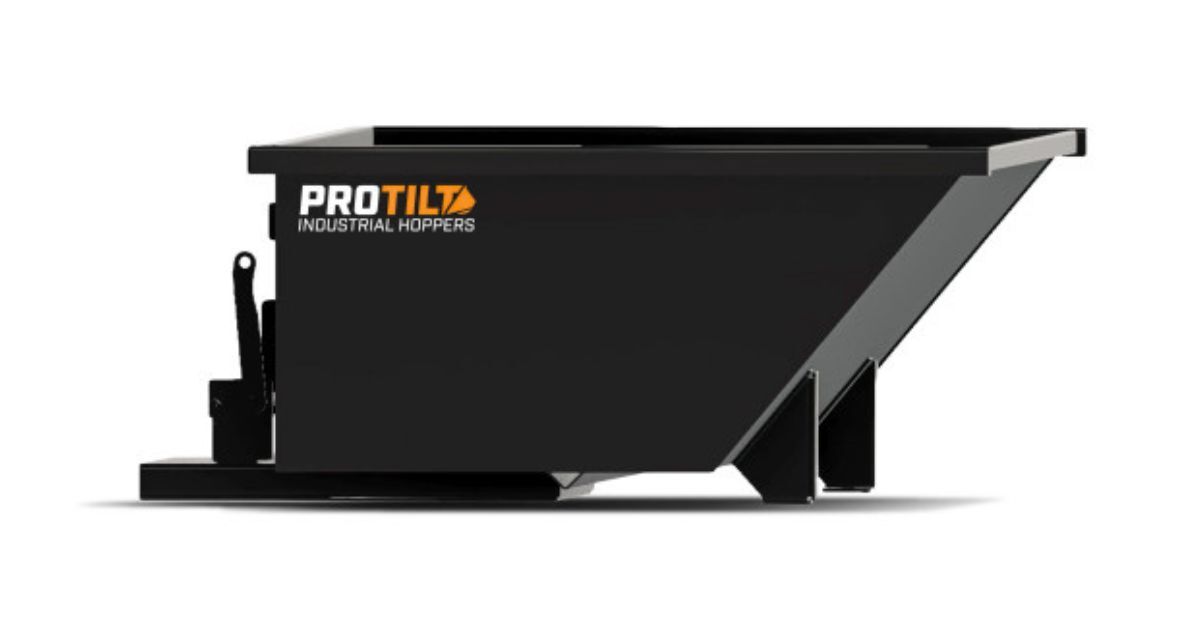
Plan for Maintenance Requirements
Like any piece of heavy equipment, hoppers require regular maintenance to remain in safe, working condition. Consider the maintenance needs before you buy. Hoppers with fewer moving parts are often easier to maintain. Check for accessible lubrication points and straightforward procedures for inspecting and repairing components. A hopper that is simple to maintain will experience less downtime and have a longer operational life.
Factor in Long-Term Value
A cheaper, lower-quality hopper may save you money upfront but could cost you more in the long run through frequent repairs and early replacement. Investing in a durable, well-made hopper from a reputable manufacturer provides better long-term value and a higher return on investment. Plus, a reliable hopper ensures smoother operations and minimizes unexpected downtime.
Make the Right Investment for Your Crew
Selecting the right hopper is a decision that directly impacts your project's efficiency, safety, and profitability. By carefully evaluating your material handling needs, job site conditions, and equipment capabilities, you can choose a hopper that serves as a valuable asset for years to come.
Ready to enhance your job site's material handling capabilities? At Express Steel, we offer a wide selection of durable steel dumping hoppers designed to withstand the toughest commercial applications. Explore our inventory today to find the perfect solution for your project.