

Posted by Express Steel on Mar 5th 2026
How To Boost Handling With Heavy-Duty Pallet Forks
Handling heavy materials safely and efficiently can make or break productivity on a job site. If you want to understand how to boost handling with heavy-duty pallet forks, you need to look beyond basic lifting capacity and focus on stability, control, and attachment quality. The right pallet forks turn your skid steer into a precise, dependable material handling machine that performs under pressure.
Start With the Right Fork Capacity for Your Machine
Every skid steer has limits, and your pallet forks should match them. If you choose forks that are too light-duty for your workload, you risk bending tines or reducing control under heavy loads. If you oversize them without considering your machine’s rated operating capacity, you create unnecessary strain and reduce safe lifting performance.
Heavy-duty pallet forks give you reinforced frames, thicker tines, and stronger welds. That added strength allows you to move dense materials like palletized stone, lumber packs, feed totes, or steel components without worrying about flex. When your forks stay rigid under load, your machine responds more predictably and maintains better balance.
You should also pay attention to tine length. Longer forks help with oversized pallets and awkward loads, but they shift the load center farther forward. That affects stability and steering. Matching fork length to your typical material ensures better weight distribution and improved control.
Focus on Frame Strength and Visibility
The carriage frame does more than hold your tines in place. It plays a direct role in how well you can see your load and how stable the entire setup feels during operation.
A heavy-duty, high-visibility frame allows you to keep your eyes on the pallet openings and load edges. That reduces guesswork when lining up forks and cuts down on wasted time adjusting your position. Clear sightlines also improve safety, especially in tight yards or busy construction sites.
Reinforced frames with solid backrests help stabilize tall or stacked loads. When you lift materials high to place them on racks or trailers, that backrest keeps items from shifting backward toward the cab. Better containment means smoother lifting and less sudden movement that could throw off your balance.
Adjust Fork Spacing for Better Load Control
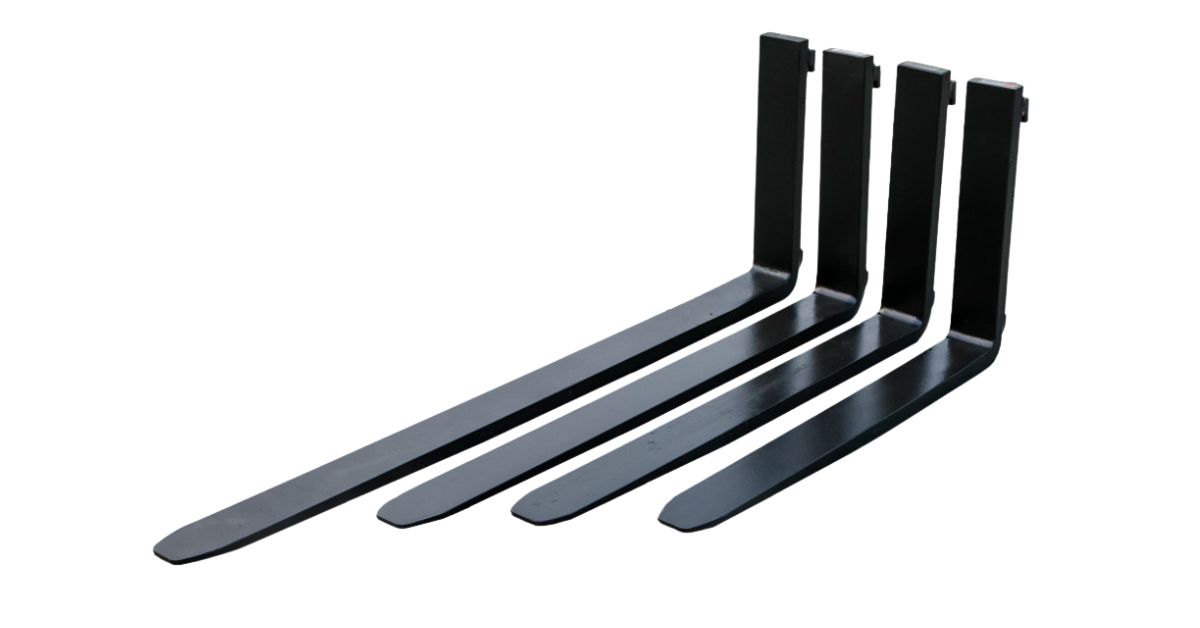
Many operators set their fork spacing once and never touch it again. That habit costs you control and efficiency. Heavy-duty pallet forks usually feature adjustable tines and using that feature properly improves handling immediately.
When you spread the forks wider for larger pallets or bulky loads, you increase lateral stability. The load distributes more evenly, which reduces rocking and sway during transport. For narrow pallets or tightly wrapped materials, bringing the forks closer together prevents shifting and supports the center of gravity.
Taking a few seconds to adjust fork spacing before each lift saves time later. You spend less effort correcting a swaying load and reduce wear on your machine’s hydraulics and tires. Proper spacing also prevents damage to pallet boards and packaging.
Keep the Load Low and Centered
Even the best heavy-duty pallet forks cannot compensate for poor lifting habits. One of the most effective ways to boost handling is to keep loads low to the ground while traveling.
Carrying materials just above ground level lowers the center of gravity. That improves traction, steering response, and overall stability. When you raise loads too high while moving, you increase the risk of tipping forward or losing control on uneven surfaces.
Centering the load on the forks matters just as much. Make sure the pallet sits evenly across both tines and rests fully against the frame backrest. Uneven placement creates imbalance, which forces you to constantly correct steering and can overload one side of the machine.
Choose Heavy-Duty Tines for Demanding Work
Standard-duty pallet forks work fine for light warehouse use, but outdoor job sites demand more. Heavy-duty tines resist bending when you handle dense materials, frozen pallets, or unevenly stacked loads.
Thicker steel construction provides better rigidity. That rigidity translates to smoother lifting because the forks do not flex under pressure. Less flex means the load stays level and predictable throughout the lift.
Heavy-duty forks also stand up to rough terrain. When you drive across gravel, dirt, or muddy ground, the forks endure constant vibration and shock. Stronger materials absorb that stress without warping, helping you maintain long-term alignment and performance.
Maintain Proper Machine Balance
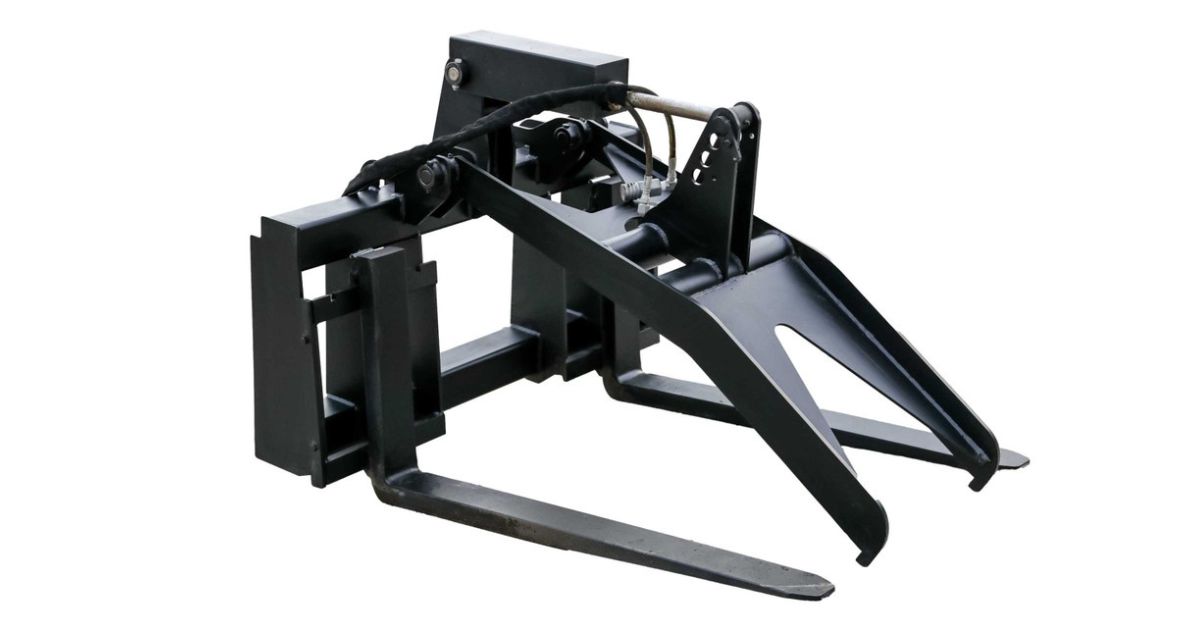
Handling performance does not rely on the forks alone. Your skid steer setup plays an equal role in boosting control and efficiency.
Make sure your tires or tracks are in good condition and properly inflated or tensioned. Worn tires reduce traction and can cause instability when carrying heavy loads. On softer ground, tracks often provide better flotation and balance, especially when moving palletized materials across fields or construction sites.
Counterweights also help in certain applications. If you regularly lift heavy pallets near your machine’s capacity, additional rear weight improves stability. Always follow your machine manufacturer’s recommendations when adding weight to avoid overloading the system.
Inspect and Maintain Your Forks Regularly
Heavy-duty pallet forks deliver reliable performance, but only when you keep them in good shape. Routine inspections directly affect handling and safety.
Check for cracks in the frame welds, worn locking pins, and tine wear along the bottom edge. Uneven wear can cause one fork to sit slightly lower than the other, which affects load balance. Addressing minor issues early prevents bigger performance problems down the road.
Grease moving components and ensure the quick attach system locks securely into place. A tight, secure connection between your skid steer and the fork frame eliminates unnecessary play. That solid connection improves steering precision and overall responsiveness.
Find the Right Pallet Fork Setup
Understanding how to boost handling with heavy-duty pallet forks comes down to proper sizing, strong construction, correct setup, and disciplined operation. When you match your forks to your machine, adjust spacing for each load, and maintain steady control during transport, you transform your skid steer into a true material handling asset. These improvements protect your equipment, increase safety, and keep productivity high on demanding jobs.
Express Steel offers a range of pallet forks built from high-quality, American-made materials you can trust on tough job sites. Whether you run a construction crew, manage a farm, or handle municipal projects, our heavy-duty pallet forks deliver strength, stability, and long-term durability. Call Express Steel to speak with our team and find the right pallet fork setup for your machine.