

Posted by Express Steel on Feb 23rd 2026
Hoppers That Help Crews Move More Material Faster
On busy jobsites, efficiency is the difference between finishing strong and falling behind schedule. Contractors, farmers, landscapers, and municipal crews all face the same challenge: moving large volumes of material quickly without wasting time, fuel, or labor. Skid steer hoppers solve that problem by turning your machine into a reliable hauling and dumping solution that keeps work flowing. When used correctly, these attachments eliminate bottlenecks, reduce manual handling, and support smoother workflows. Let’s explore how hoppers help crews move more material faster from start to finish.
Why Material Movement Slows Crews Down
Material handling often becomes the hidden time drain on a jobsite. Crews may have powerful skid steers and compact loaders, but without the right attachment, they still rely on inefficient methods. Shoveling debris into buckets, making repeated trips, or stopping work to reposition material all eat away at productivity. These delays compound over the course of a day, especially when crews handle heavy or loose materials.
A skid steer hopper addresses this issue by creating a controlled, purpose-built container for material transport. Instead of improvising with buckets or pallets, operators load, haul, and dump material in a single, smooth cycle. This consistency keeps crews focused on the job rather than constantly adapting their workflow.
What Makes Skid Steer Hoppers Different From Buckets
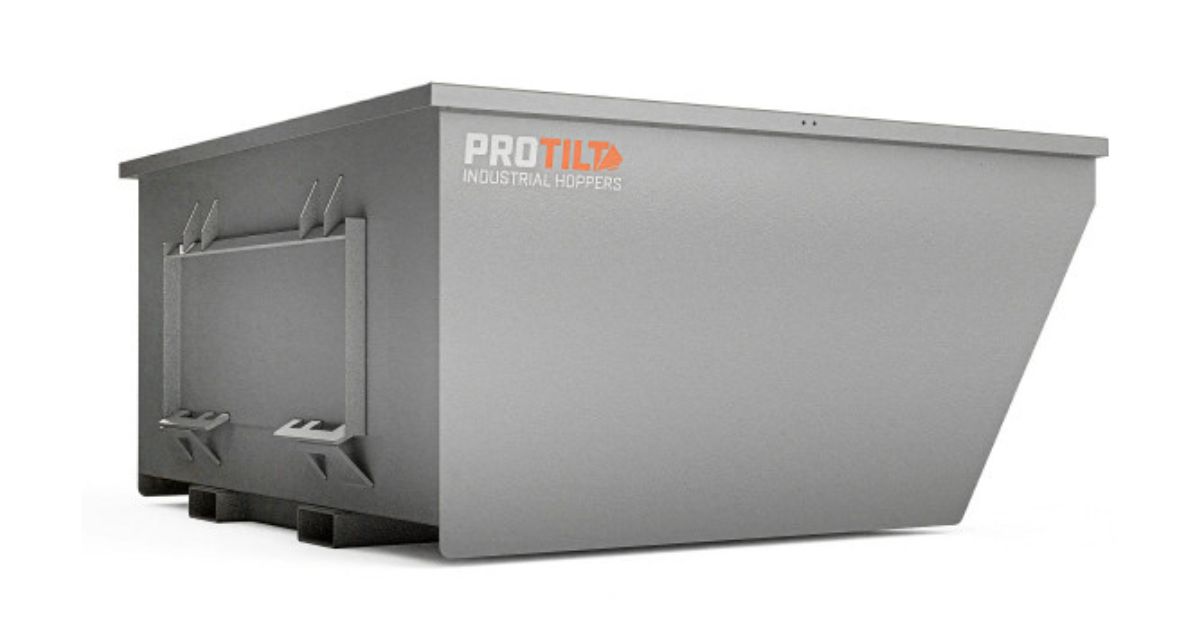
Standard buckets handle digging and scooping well, but they do not support controlled dumping or efficient material transport. A hopper offers a deeper, box-style design that holds material securely during travel. This structure minimizes spillage and keeps loads stable, even when navigating uneven terrain.
The dumping mechanism also sets hoppers apart. Instead of tilting and hoping material slides out cleanly, a hopper allows for intentional, complete discharge. Operators place material exactly where it needs to go, whether that means filling a trench, loading a trailer, or staging debris for removal. This precision saves time and reduces the need for cleanup afterward.
How Skid Steer Hoppers Improve Jobsite Flow
Every jobsite depends on rhythm. When material moves smoothly, crews maintain momentum and machines stay productive. Skid steer hoppers support that rhythm by streamlining repetitive tasks. Operators can load material once, travel safely, and dump without hesitation or extra adjustments.
This improved flow matters most on jobs with tight timelines or limited space. In urban environments or crowded worksites, efficiency becomes critical. A hopper allows crews to move material without constant repositioning, helping them work smarter within confined areas.
Reducing Labor Strain and Equipment Wear
Manual material handling puts unnecessary strain on workers and machines. Lifting, shoveling, and rehandling material increase fatigue and raise the risk of injury. Over time, these repetitive tasks also wear down equipment that was not designed for heavy transport.
Skid steer hoppers shift the workload from people to machines. Operators use hydraulic power instead of physical effort, allowing crews to stay productive longer without burnout. This approach also protects equipment by using attachments built specifically for hauling and dumping, reducing stress on pins, arms, and frames.
Versatility Across Industries and Applications
Skid steer hoppers stand out because they handle a wide range of tasks across different industries. Contractors rely on them for debris removal, concrete cleanup, and site preparation. Farmers use them to transport feed, grain, and bedding materials efficiently across barns and fields. Landscapers benefit from quick movement of mulch, soil, and aggregate, especially during peak seasons when time matters most.
Municipal crews also depend on hoppers for maintenance tasks, from road repairs to park upkeep. The ability to quickly load and unload material keeps public works projects on schedule and minimizes disruption. Across industries, the hopper adapts to the task at hand without slowing the crew down.
Built for Demanding Jobsite Conditions
Jobsite conditions rarely stay ideal. Mud, dust, uneven ground, and heavy loads test every piece of equipment. A well-built skid steer hopper stands up to these challenges with thick steel construction and reinforced edges. This durability ensures the attachment performs consistently, even under daily use.
High-quality hoppers maintain their shape and function over time, resisting warping and fatigue. This reliability matters for crews who cannot afford downtime caused by attachment failure. When equipment works as expected, operators focus on the job instead of troubleshooting issues.
Precision Dumping for Cleaner Results
Controlled dumping plays a major role in jobsite efficiency. Poorly placed material creates extra work, whether that means spreading piles by hand or cleaning up spills. Skid steer hoppers offer predictable dumping action that allows operators to place material exactly where it belongs.
This precision improves results across applications. Filling forms, backfilling trenches, or loading trucks becomes faster and cleaner. Crews spend less time correcting mistakes and more time completing tasks that move the project forward.
Supporting Consistent Productivity Day After Day
Consistency separates productive operations from inefficient ones. Crews need equipment that performs the same way every day, regardless of conditions. Skid steer hoppers provide that consistency by simplifying material handling tasks into repeatable actions.
Operators quickly learn how the hopper responds, which builds confidence and reduces training time. This familiarity translates into faster cycles and fewer errors. Over time, these small improvements add up to significant gains in overall productivity.
Choosing the Right Hopper for Your Skid Steer
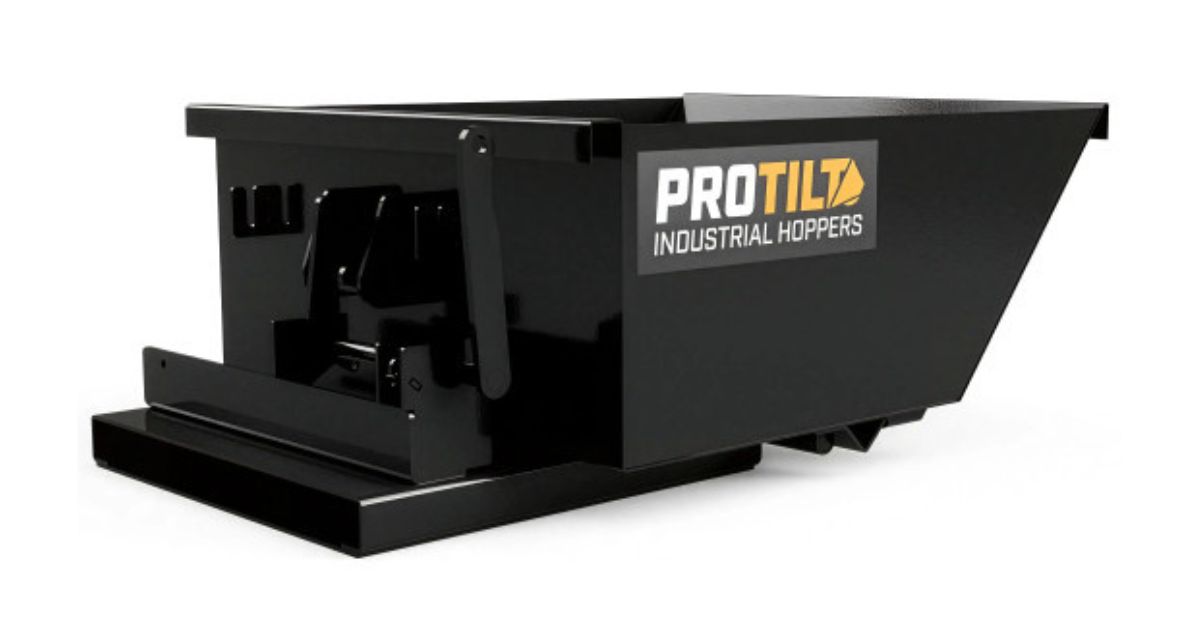
Not all hoppers perform the same, and selecting the right one matters. Capacity, construction quality, and compatibility with your machine all influence performance. A hopper that matches your skid steer’s capabilities allows you to maximize load size without sacrificing control or safety.
Operators should also consider how they plan to use the hopper daily. Frequent dumping, heavy materials, and demanding environments require robust construction and smooth operation. Investing in the right attachment upfront prevents frustration and downtime later.
Long-Term Value Beyond the Initial Purchase
A skid steer hopper delivers value well beyond its purchase price. By reducing labor hours, speeding up workflows, and minimizing equipment strain, it contributes to long-term operational savings. Crews complete jobs faster, machines last longer, and projects stay on schedule.
This return on investment becomes especially clear during busy seasons. When demand increases, efficient equipment allows crews to take on more work without adding staff or extending hours. The hopper becomes a multiplier for productivity rather than just another attachment.
Powering Productivity With the Right Equipment
Skid steer hoppers continue to prove their worth on demanding jobsites by keeping material moving and crews focused on progress. From reducing labor strain to improving dumping precision, they serve as true hoppers that help crews move more material faster without compromising control or durability. Express Steel offers a selection of high-quality steel dumping hoppers designed to help you haul and unload material with ease. Browse our selection to boost your operation's productivity and reduce downtime, and equip your skid steer with an attachment built to work as hard as your crew.