

Posted by Express Steel on Nov 27th 2025
Choosing the Right Skid Steer Attachment for Jobs
A skid steer’s true power lies in its versatility, which is unlocked by a vast array of available attachments. Selecting the correct attachment transforms this single piece of machinery into a multi-functional workhorse, capable of tackling numerous tasks across construction, landscaping, agriculture, and demolition sites. This adaptability boosts efficiency and maximizes the return on your equipment investment.
Making an informed decision on an attachment requires a clear understanding of the job at hand, the materials you will handle, and the capabilities of your machine. The right tool streamlines operations, reduces manual labor, and enhances safety. From buckets and augers to grapples and trenchers, each attachment serves a specific purpose designed to optimize your workflow and increase productivity.
Choosing the right skid steer attachment for jobs ensures that every minute on site is productive. It prevents equipment damage, minimizes downtime, and helps your crew meet project deadlines. With a comprehensive approach to selection, you can equip your skid steer to handle nearly any challenge, turning it into the most valuable asset in your fleet.
Evaluate the Primary Function
Before selecting an attachment, you must first define the primary task you need to accomplish. Are you moving dirt, clearing brush, digging trenches, or breaking concrete? Each job requires a specialized tool. Using a standard bucket for demolition, for example, is inefficient and can damage the attachment and the machine. A hydraulic hammer is the appropriate choice for breaking rock or concrete. By clearly identifying the main function, you narrow down your options and focus on attachments designed specifically for that purpose.
Match Material Type and Volume
The type and volume of material you handle are critical factors. For light materials, such as mulch or snow, a larger, light-material bucket maximizes each load. For dense, heavy materials such as rock or wet soil, you need a heavy-duty bucket constructed with thicker steel and reinforced cutting edges to withstand the stress. Consider both the density and abrasiveness of the material. A rock bucket, with its skeletal design, allows smaller debris to fall through, leaving only the larger rocks.
Verify the Skid Steer's Specifications
Not every attachment is compatible with every skid steer. Check your machine's specifications to verify it can safely and effectively operate the attachment. Key factors include the hydraulic flow rate, operating capacity, and coupler type. A high-flow attachment, such as a cold planer or forestry mulcher, will not perform correctly on a standard-flow machine. Exceeding the rated operating capacity can lead to instability and create a significant safety hazard. Always consult your skid steer’s manual to confirm its capabilities.
Consider Standard-Flow vs. High-Flow Hydraulics
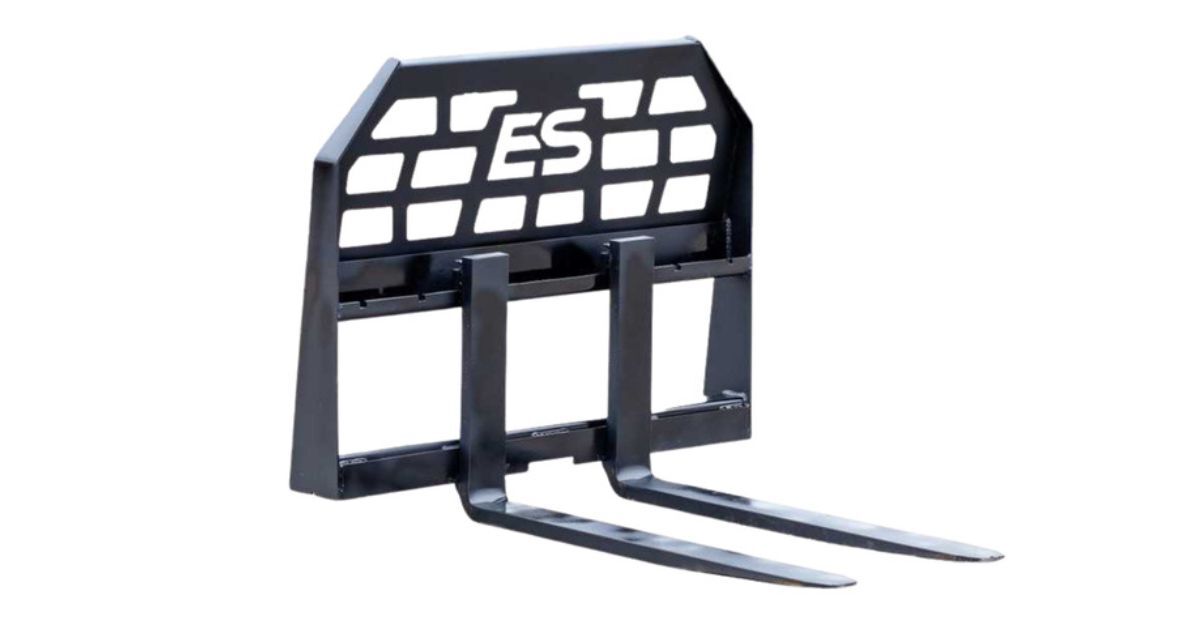
Skid steer hydraulic systems come in two main types: standard-flow and high-flow. Standard-flow systems are suitable for most common attachments, such as buckets, pallet forks, and some grapples. They provide adequate power for tasks that do not require continuous, high-speed hydraulic movement.
High-flow systems, on the other hand, deliver significantly more hydraulic power. This makes them essential for operating high-performance attachments such as cold planers, stump grinders, forestry mulchers, and snow blowers. These attachments demand a continuous and powerful hydraulic flow to function effectively. Choosing an attachment that matches your machine’s hydraulic system is fundamental for achieving optimal performance and preventing damage to the equipment.
Determine the Jobsite Conditions
The environment of your jobsite influences attachment selection. For tight, residential spaces, a smaller, more maneuverable attachment is preferable. A narrow trencher or a small grapple bucket allows for precision work without disturbing the surrounding area. On large, open construction sites, you can use larger, more robust attachments to maximize efficiency. Uneven or rough terrain may require attachments with better stability or ground-clearing capabilities.
Assess the Required Lifting Capacity
Every skid steer has a rated operating capacity (ROC), which is the maximum weight it can safely lift and carry. When choosing an attachment, you must account for both the weight of the attachment itself and the weight of the material it will handle. Overloading your machine is a common mistake that can lead to tipping, hydraulic system failure, and structural damage. Always select an attachment that, when fully loaded, remains within your skid steer's ROC.
Think About Versatility and Future Needs
Beyond selecting an attachment for your immediate needs, consider your future projects as well. Investing in a multi-purpose attachment can provide long-term value. For example, a 4-in-1 bucket can function as a standard bucket, a grapple, a dozer, and a scraper. While this may have a higher initial cost, the versatility can eliminate the need to purchase multiple, single-function attachments, saving you money and storage space over time.
Prioritize Operator Safety and Ease of Use
Safety should always be a top priority. Select attachments that are easy for your operators to connect, disconnect, and use safely. Modern attachments often feature quick-attach systems that simplify the process and reduce the risk of injury. Make sure your operators receive proper training on how to use each new attachment. Features such as excellent visibility from the cab and intuitive controls contribute to a safer and more efficient work environment.
Factor in Maintenance and Durability
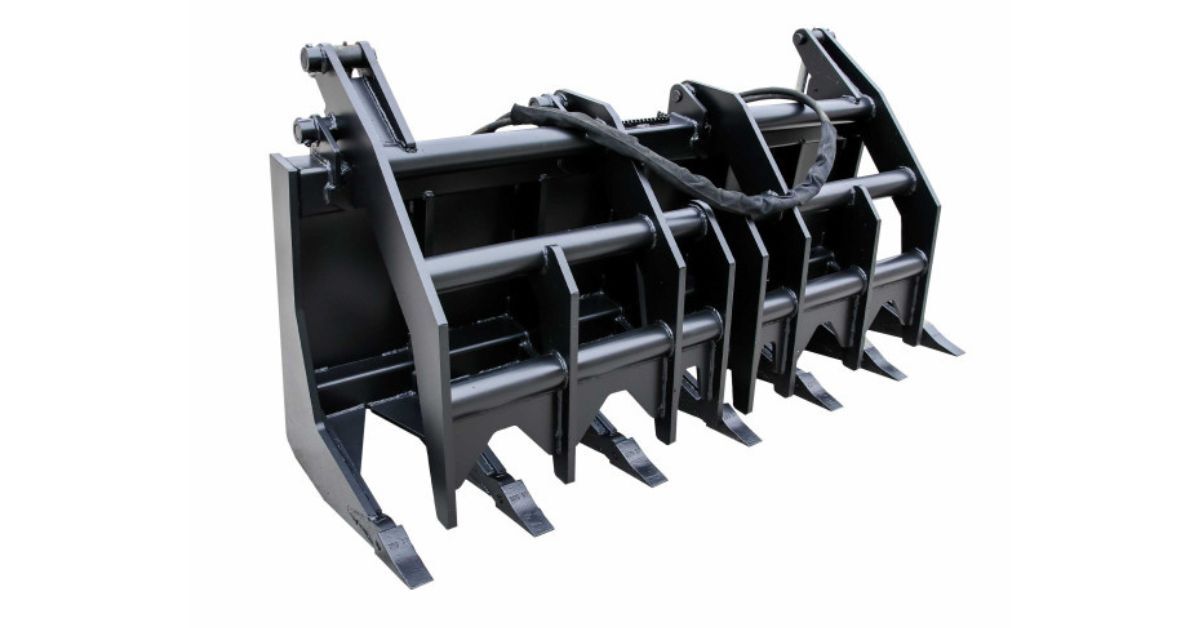
An attachment is an investment, so durability is key. Look for attachments made from high-grade steel with reinforced stress points. Replaceable wear parts, such as cutting edges and teeth, can extend the life of the attachment and reduce long-term maintenance costs. Research the manufacturer’s reputation for quality and review customer feedback to gauge the attachment's reliability in real-world conditions.
Calculate the Return on Investment
Finally, consider the return on investment (ROI). A more expensive attachment might offer greater efficiency, durability, and versatility, leading to significant long-term savings. Calculate how an attachment will impact your labor costs, project timelines, and overall productivity. Choosing the right skid steer attachment for jobs is not just about the upfront price; it is about the value it brings to your entire operation. A well-chosen attachment pays for itself through increased efficiency and expanded capabilities.
Find the Best Attachments for Your Fleet
Selecting the right skid steer attachment is a strategic decision that directly impacts your operational efficiency, safety, and profitability. By carefully evaluating the job requirements, your machine's capabilities, and the long-term value of the attachment, you can make an informed choice that enhances your fleet.
Ready to expand the capabilities of your equipment? Express Steel offers a selection of durable, American-made mini skid steer attachments designed to meet the rigorous demands of any jobsite. Contact us today to find the perfect attachment to boost your productivity and maximize your investment.