
Jan 9th 2026
8 Attachments That Help Construction Firms Stay Ahead
Skid steers are the backbone of countless construction projects due to their compact size, maneuverability, and impressive power-to-weight ratio. While the machine itself provides the necessary hydraulic muscle, the attachment at the end of the boom dictates the actual work performed. Operators can transform a single loader into a demolition crew, a landscaping expert, or a material handling specialist simply by swapping out the front-end tool.
This versatility allows contractors to bid on a wider range of jobs without investing in a fleet of single-purpose vehicles. Maximizing the potential of these machines requires a deep understanding of the available tools. Let’s explore the specific skid steer attachments that help construction firms stay ahead in a competitive market by ensuring crews can tackle diverse challenges with speed and precision.
The Foundation of Material Handling
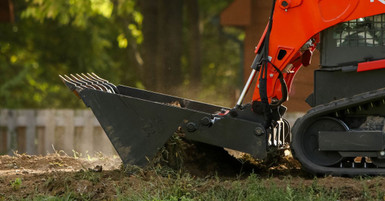
The bucket is the most recognizable and fundamental attachment for any skid steer. While it often comes standard with the machine, understanding the nuances between different bucket types allows operators to move material more efficiently. A standard bucket is the primary tool for loading dirt, gravel, and sand. Its design typically features a smooth edge or teeth, depending on whether the job requires digging into compacted soil or simply scooping loose material.
The structural integrity of a standard bucket dictates how well it withstands the daily abuse of a construction site. A reinforced cutting edge and wear bars on the bottom extend the lifespan of the attachment, ensuring it remains reliable through years of heavy use.
Elevating Efficiency With Multi-Purpose Buckets
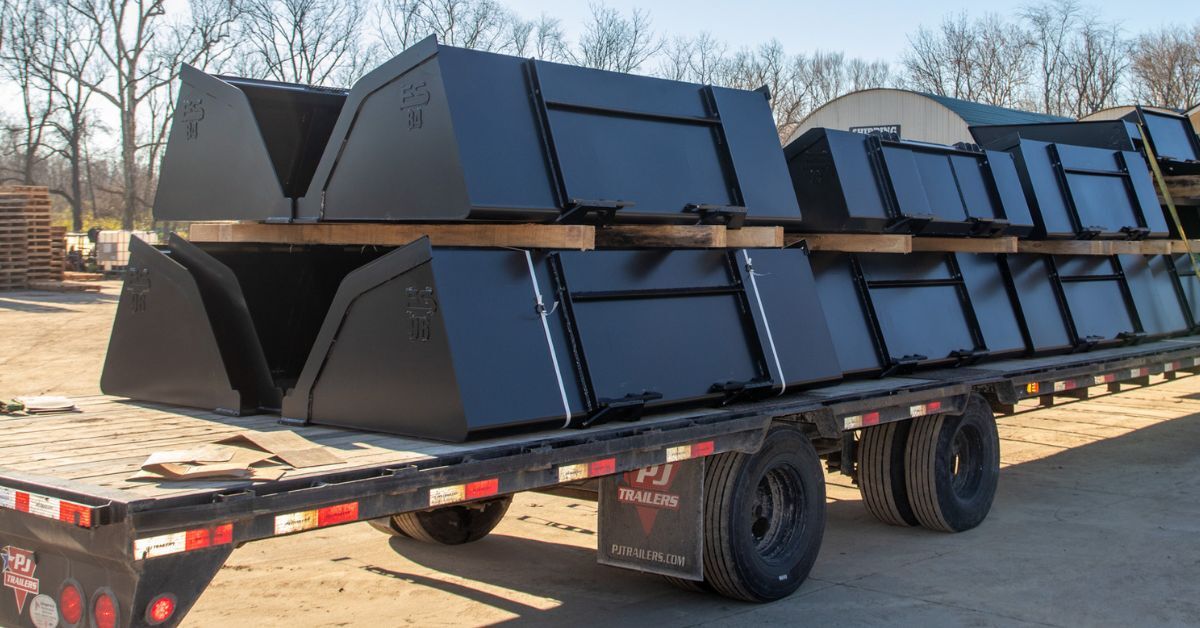
Contractors seeking greater versatility often upgrade to a multi-purpose bucket, frequently called a 4-in-1 bucket. This tool functions as a standard bucket, a dozer blade, a grapple, and a leveler all in one unit. The operator can open the bottom of the bucket to dump material higher or to clamp down on large objects like logs and concrete slabs. This hydraulic capability eliminates the need to switch attachments constantly.
A site manager can direct a crew member to grade a driveway, move a pile of debris, and spread topsoil without the machine ever stopping to change tools. This seamless transition between tasks significantly boosts daily productivity.
Mastering Debris Management
Construction sites generate immense amounts of waste and debris that require specialized handling. Grapples provide the gripping power necessary to move irregular objects that would simply fall out of a standard bucket. These attachments utilize hydraulic cylinders to clamp down on loads, securing them for transport.
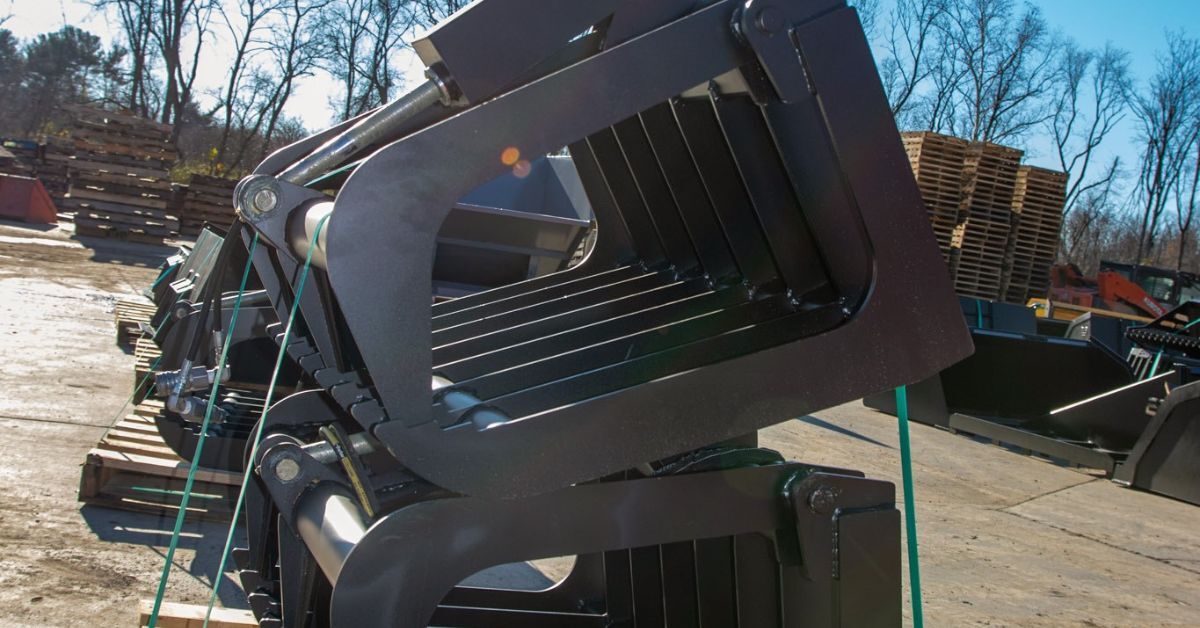
The design of the grapple determines its ideal application. A brush grapple, for instance, features wide spacing between the tines. This open design allows loose dirt and small rocks to sift through while the jaws hold onto larger branches, roots, and vegetation. Land clearing projects benefit immensely from this feature, as it minimizes the amount of soil removed from the site, reducing disposal costs and preserving topsoil.
Tackling Heavy Loads With Industrial Grapples
When the job involves demolition debris, scrap metal, or large rocks, an industrial grapple becomes the tool of choice. These attachments feature a more solid construction compared to brush grapples, often with a solid floor or very narrow tine spacing. The enclosed bottom ensures that smaller pieces of concrete or jagged metal do not fall through during transport.
Industrial grapples typically employ independent cylinder movement, allowing the grapple arms to clamp down on uneven loads securely. If an operator picks up a concrete slab that is thicker on one side, the grapple adjusts to maintain a firm grip on the entire object. This safety feature prevents dangerous drops and ensures the efficient clearing of hazardous materials.
Precision Excavation and Drilling
Digging post holes or footings by hand consumes valuable time and labor, making an auger attachment an essential investment for many firms. An auger drive unit connects to the skid steer's hydraulic system to rotate a drilling bit into the ground.
Standard augers work exceptionally well for general landscaping, fencing, and deck building in moderate soil conditions. These units provide sufficient torque to bore through dirt and clay, creating clean, uniform holes ready for concrete pouring. The operator's clear view from the cab ensures precise bit placement, keeping fence lines straight and foundations aligned with blueprints.
Powering Through Rock With High-Flow Augers
Construction projects situated on difficult terrain require more power than a standard auger provides. High-flow augers utilize the enhanced hydraulic capabilities of high-flow skid steers to generate massive amounts of torque. This extra power allows the attachment to drill through solid rock, frozen ground, and compacted asphalt.
Contractors working in northern climates or rocky regions rely on high-flow units to maintain schedules regardless of ground conditions. Furthermore, these powerful drive units can spin larger diameter bits, enabling the excavation of holes for large pole barn posts or commercial signage footings. The ability to drill efficiently in adverse conditions prevents project delays and eliminates the need to hire specialized drilling subcontractors.
Demolition and Site Preparation
Breaking up concrete and asphalt requires immense concentrated force. A hydraulic breaker transforms a skid steer into a mobile demolition machine capable of shattering driveways, sidewalks, and foundations. The breaker operates by driving a metal chisel into the material using a rapid-fire hydraulic piston.
Light-duty breakers suit residential projects perfectly. They offer enough power to remove patios or garage floors without damaging surrounding structures. Their compact size allows the skid steer to maneuver into backyards or tight alleyways where larger excavators cannot fit. This accessibility opens a lucrative market for residential renovation and removal work.
Heavy-Duty Breakers for Major Projects
Commercial demolition and road repair demand the crushing force of a heavy-duty hydraulic breaker. These attachments deliver higher impact energy with every blow, allowing them to fracture reinforced concrete and thick asphalt layers. Road crews use them to patch highways, while demolition teams use them to bring down retaining walls.
The durability of a heavy-duty breaker is paramount, as the internal components face extreme stress during operation. Quality units feature enclosed housings to reduce noise levels and protect the hydraulic mechanism from dust and debris. By equipping a skid steer with a heavy-duty breaker, a construction firm can perform substantial demolition work in-house, keeping the project timeline under their direct control.
Investing in Capability
The construction industry rewards efficiency and adaptability. Relying solely on the bucket that came with the machine limits the scope of work a contractor can perform and reduces the return on investment for the equipment. By strategically building an arsenal of specialized tools, companies position themselves to say "yes" to more complex and profitable projects. From the precision of an auger to the brute force of a hydraulic breaker, each tool plays a specific role in accelerating job completion.
Utilizing the correct skid steer attachments that help construction firms stay ahead ensures that businesses can meet the evolving demands of their clients. For those looking to expand their capabilities, Express Steel offers a wide variety of high-quality mini skid loader attachments designed to withstand the rigors of the job site. Equipping your fleet with durable, purpose-built tools transforms your skid steer from a simple loader into a versatile powerhouse, ready to tackle whatever the job site demands. Browse our selection to learn more.