
Posted by Express Steel on Dec 19th 2025
10 Tips for Maintaining Safety With Polycarbonate Shields
Polycarbonate shields are essential safety components for heavy machinery operators, offering superior protection against impacts and debris. Their durability and clarity are vital for maintaining a safe and productive work environment. However, like any piece of equipment, these shields require proper care and regular inspection to ensure they continue to perform their function effectively.
Understanding how to properly care for these components is not just a matter of upkeep; it’s a critical aspect of job site safety. Neglecting the maintenance of your polycarbonate shields can lead to reduced visibility, structural weakness, and diminished protection. A compromised shield might fail when you need it most, putting operators at risk of serious injury.
Following a consistent maintenance routine keeps your shields in optimal condition, providing the reliable protection your team depends on. These practices will extend the lifespan of your shields, reduce long-term replacement costs, and, most importantly, keep your operators safe from workplace hazards. Read on to learn essential tips for maintaining safety with polycarbonate shields that will help you protect both your team and your equipment.
1. Inspect Shields for Damage Before Each Use
Before operating any machinery, conduct a thorough visual inspection of the polycarbonate shield. Look for any signs of damage, such as cracks, deep scratches, or chips. Even minor damage can compromise the structural integrity of the shield, reducing its ability to withstand an impact. Pay close attention to the areas around mounting points, as stress fractures can develop there. A pre-operation check is the first line of defense against equipment failure and ensures the operator begins their shift with a secure and clear field of view.
2. Follow the Manufacturer’s Cleaning Instructions
Polycarbonate is a strong material, but it can be damaged by harsh chemicals. Always refer to the manufacturer’s guidelines for recommended cleaning agents. Using unapproved solvents, such as ammonia-based glass cleaners or acetone, can cause the material to cloud, become brittle, or even craze, which creates a network of fine cracks. Sticking to the manufacturer's instructions preserves the shield's clarity and strength, ensuring it remains effective.
3. Use the Correct Cleaning Materials
When cleaning your polycarbonate shield, use a soft cloth, such as microfiber or cotton, along with a mild soap and water solution. Avoid abrasive materials such as paper towels, scouring pads, or stiff brushes, as these can easily scratch the surface. Scratches not only obstruct the operator's vision but also create weak points in the shield. After washing, rinse the shield thoroughly with clean water to remove any soap residue and gently pat it dry with a soft, clean cloth.
4. Avoid Exposing Shields to Extreme Heat
While polycarbonate is durable, prolonged exposure to extreme heat sources can cause it to deform or lose its protective qualities. Park machinery in shaded areas when possible, and avoid directing heat guns or welding torches near the shield. If you must perform work that generates high temperatures near the equipment, protect the shield with a heat-resistant cover. Protecting the shield from excessive heat helps maintain its original shape and structural strength.

5. Check Mounting Hardware Regularly
The shield is only as secure as its mounting hardware. Regularly inspect all bolts, clamps, and brackets that hold the polycarbonate shield in place. Vibration from normal machine operation can cause hardware to loosen over time. Ensure all fasteners are tightened to the manufacturer's specified torque. Replace any hardware that appears rusted, stripped, or otherwise damaged. A securely mounted shield is crucial for it to provide maximum protection during an impact.
6. Properly Store Replacement Shields
If you keep spare polycarbonate shields on hand, store them correctly to prevent damage. Keep them in a cool, dry place away from direct sunlight, which can cause the material to degrade over time. Store them flat or in their original packaging to prevent warping or scratching. Proper storage ensures your replacements remain in perfect condition and are ready to be installed.
7. Train Operators on Proper Care
Tips for maintaining safety with polycarbonate shields are most effective when the entire team applies them consistently. Every operator who uses the machinery should understand the importance of shield maintenance. Provide training on the correct procedures for inspection and cleaning. Educate them on what types of damage to look for and the importance of reporting issues immediately. When operators take ownership of the equipment's condition, they contribute to a safer work environment for everyone.
8. Repair Minor Scratches Promptly
Minor surface scratches can sometimes be repaired using a specialized polycarbonate polishing compound. Addressing these small imperfections promptly can restore clarity and prevent them from becoming deeper or more obstructive over time. Follow the product's instructions carefully and always test the polishing compound on a small, inconspicuous area first. For deep scratches or cracks, polishing is not a solution, and the shield should be replaced.
9. Know When to Replace the Shield
No shield lasts forever. You’ll need to be able to recognize when a shield has reached the end of its service life. Replace the shield immediately if it has significant cracks, extensive crazing, or deep gouges. A shield with discoloration or clouding that impairs vision should also be replaced. Do not attempt to repair major damage, as this can create a false sense of security. A new, intact shield is the only way to guarantee full protection.
10. Choose High-Quality Replacement Shields
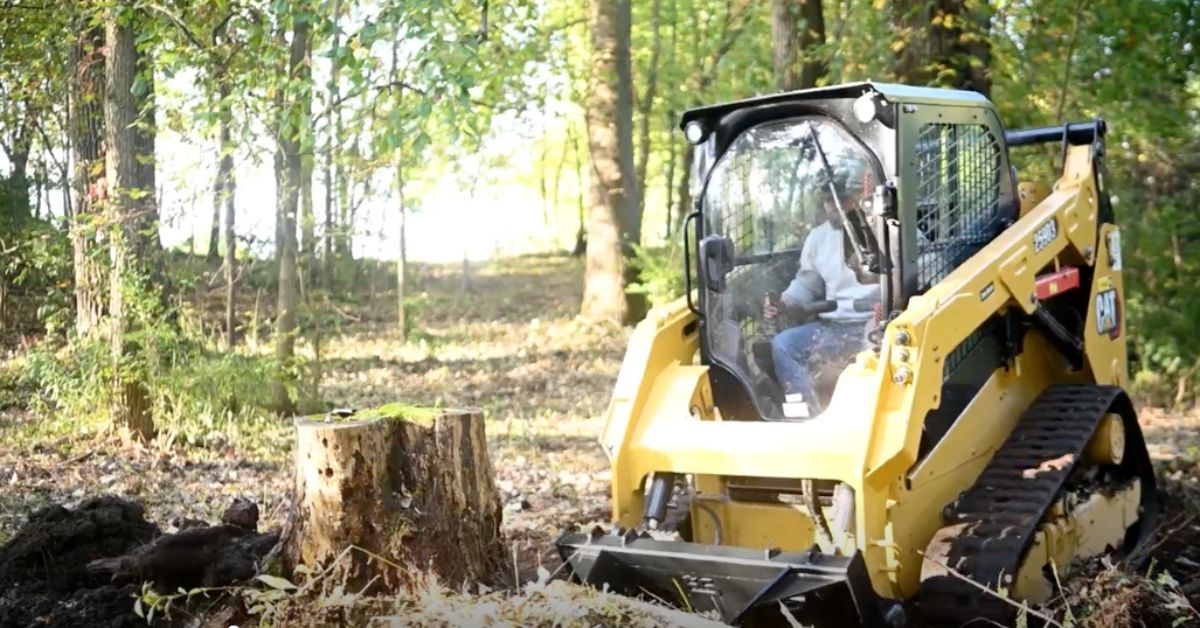
Always select high-quality shields from reputable suppliers. Make sure the replacement meets or exceeds the original manufacturer's specifications for thickness, impact resistance, and material quality. Opting for a cheaper, lower-quality shield might save money initially, but it can compromise safety and lead to more frequent replacements. Investing in a superior product provides peace of mind and reliable, long-lasting protection for your operators.
Protect Your Investment and Your Team
Keep your machinery safe and effective for your crew by incorporating these tips for maintaining safety with polycarbonate shields into your regular equipment care routine. A clear, secure, and undamaged shield allows operators to work with confidence, knowing they are protected from potential hazards.
Ready to upgrade or replace your current shield? Express Steel offers durable skid steer polycarbonate windshields designed to withstand the toughest job site conditions. Contact us today to find the right solution for your equipment and enhance your crew’s safety.